Persons with Disabilities’ Health Rights
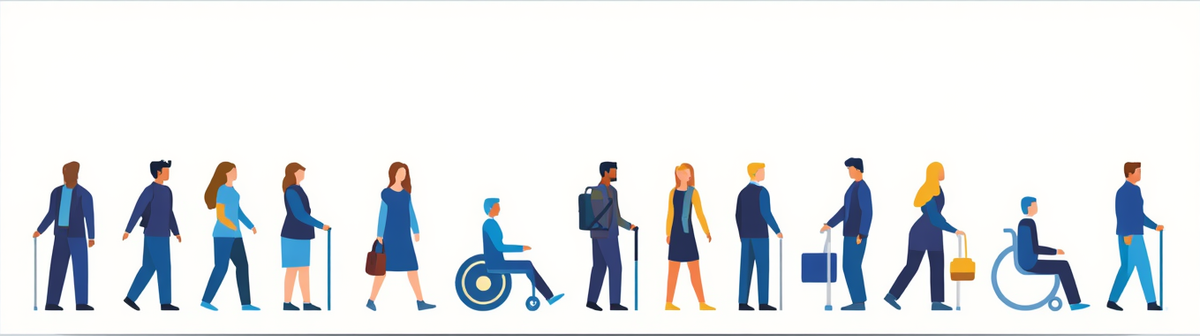
More than 650 million people worldwide live with disabilities, primarily in developing countries, and have long been marginalized and treated as less than rights-holders. It is essential to recognize their right to health, which is closely linked to principles of non-discrimination, autonomy, and social inclusion.
More recent estimates indicate that around 1.3 billion people—roughly one in six persons on the planet—live with a significant disability. Many are more likely to experience poor health outcomes, lower life expectancy, and catastrophic health expenditures, precisely because health systems and societies are not designed with their rights and needs in mind.
Persons with disabilities still face significant barriers, including physical and financial inaccessibility to healthcare, a lack of gender-sensitive services, and a denial of free and informed consent in medical treatment. They are also disproportionately affected by violence, abuse, and neglect, often due to systemic discrimination and stigma. Those with psychosocial or intellectual disabilities frequently suffer from underdiagnosis, lack of treatment, and institutionalization without consent.
The Convention on the Rights of Persons with Disabilities (CRPD) mandates that States ensure equal access to quality healthcare, train health professionals, and prevent discrimination, emphasizing the importance of community-based care and respect for individual autonomy and dignity.