Women’s and Girls’ Health Rights
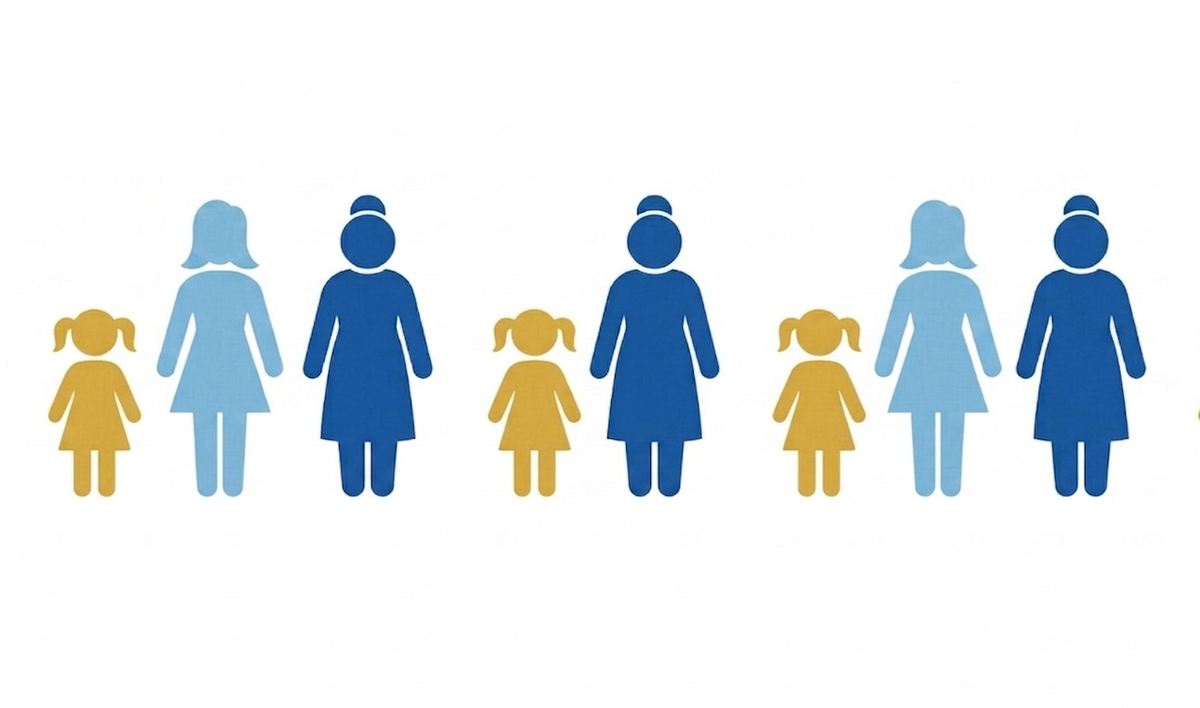
Women and girls have the right to the highest attainable standard of physical and mental health, free from discrimination. This includes equal access to quality healthcare services, accurate health information, and respectful, gender-sensitive treatment.
Their health rights encompass sexual and reproductive health, maternal care, access to contraception, confidential counselling, and the ability to make informed decisions about their own bodies and health. States have a legal obligation to remove barriers that limit access to care, including inequality, stigma, poverty, and discriminatory laws or practices.
Ensuring women’s and girls’ right to health is essential to advancing gender equality, dignity, and social justice. When women and girls can access quality health services, stay in school, participate in public life, and make informed choices about their health, entire families and communities benefit.
Yet large gaps remain. In many parts of the world, women and girls are less likely than men to receive timely and appropriate healthcare, particularly in relation to sexual and reproductive health, maternal care, and mental health. Persistent inequalities in income, education, and decision-making power continue to limit their ability to enjoy their right to health in practice.
Key priorities for women’s and girls’ right to health include:
- Ensuring universal access to quality maternal, sexual, and reproductive health services.
- Eliminating discriminatory laws and practices that restrict women’s and girls’ access to healthcare.
- Providing accurate, age-appropriate health information and comprehensive education.
- Promoting women’s and girls’ participation in health-related decision-making at all levels.