Right to Health
The right to health is a fundamental human right recognized under international law. It guarantees everyone the opportunity to attain the highest possible standard of physical and mental health, without discrimination. It is affirmed in Article 25(1) of the Universal Declaration of Human Rights and, most comprehensively, Article 12 of the International Covenant on Economic, Social and Cultural Rights (ICESCR). It is also recognised in key treaties such as the Convention on the Elimination of All Forms of Discrimination against Women (CEDAW), the Convention on the Rights of the Child (CRC), and the International Convention on the Elimination of All Forms of Racial Discrimination (ICERD), as well as in regional instruments including the European Social Charter, the African Charter on Human and Peoples’ Rights, and the Additional Protocol to the American Convention on Human Rights in the Area of Economic, Social and Cultural Rights.
The right to health goes beyond access to hospitals and medical treatment. It includes affordable, good-quality healthcare services, access to essential medicines, safe water and sanitation, adequate nutrition, and accurate health information. Health systems must be available, accessible, acceptable, and of good quality for all.
Despite this, billions of people are still left behind. It is estimated that around 4.5 billion people worldwide do not have full access to essential health services, and more than 2 billion people face financial hardship when paying for healthcare, with many being pushed into or deeper into poverty because of medical costs. These figures underline how far we remain from the universal realisation of the right to health.
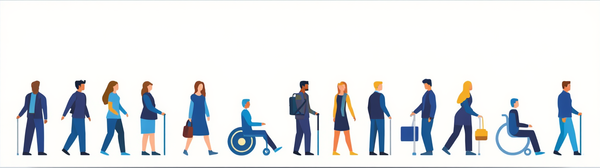
The right to health also requires governments to address inequalities in health outcomes between different groups, including women and girls, children, persons with disabilities, migrants, people living in poverty, and those affected by conflict or discrimination. States must adopt laws, policies, and budgets that prioritise primary healthcare, prevention, and community-based services, and they must ensure that no one is left behind because of who they are, where they live, or what they believe.
Access to Healthcare
Access to healthcare is a core component of the right to health. It means that health services must be available, affordable, physically reachable, and provided without discrimination.
Everyone should be able to obtain essential medical care, including preventive services, treatment, and reproductive healthcare, regardless of income, gender, location, or social status. Barriers such as poverty, stigma, harmful practices, conflict, or displacement must not prevent individuals from receiving care.
Ensuring equitable access to healthcare is a legal and moral obligation of States and a necessary condition for human dignity and equality.
Access to healthcare includes many entitlements, such as:
- The right to a system of health protection providing equality of opportunity for everyone to enjoy the highest attainable level of health;
- The right to prevention, treatment, and control of diseases;
- Access to essential medicines;
- Maternal, child, and reproductive health;
- Equal and timely access to basic health services;
- The provision of health-related education and information;
- Participation of the population in health-related decision-making at the national and community levels.